
Introduction: Why Dr. Raymond Moody Still Matters in NDE Research
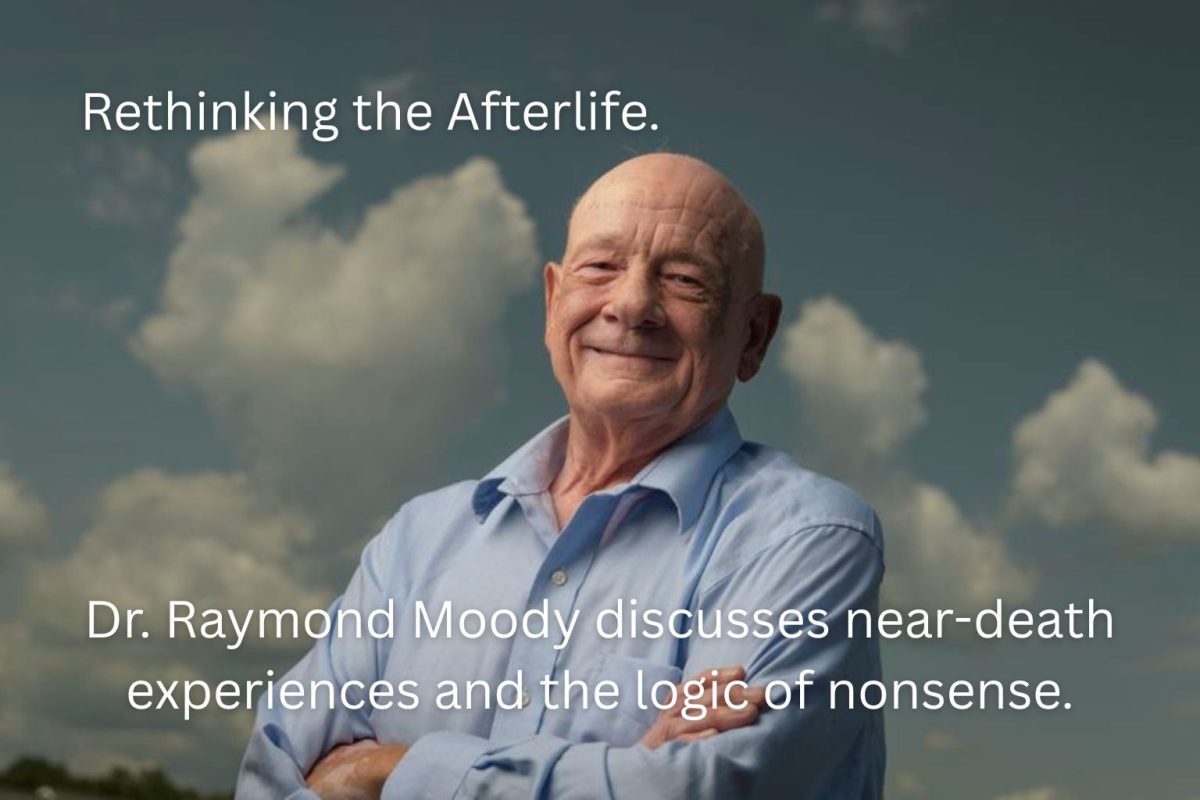
If you care about near-death experiences, you’re standing on ground Dr. Raymond Moody helped lay. Often called the grandfather of the NDE space, Moody coined the phrase “near-death experience” in his classic Life After Life and catalyzed five decades of global discussion. In our 2022 conversation, we explored why language itself may be the greatest barrier to understanding NDEs—and how better concepts can unlock better questions and better research.
Who Is Dr. Raymond Moody? Background & Credentials
Before practicing medicine, Moody earned a PhD in philosophy. He later became a psychiatrist (including work in forensic psychiatry). That unusual blend—formal logic plus clinical experience—shapes his careful approach to consciousness, death, and meaning. Moody isn’t anti-science; he’s anti-scientism (the belief that science is the only path to truth). That distinction matters if we want to respect testimony without overclaiming.
The Raymond Moody NDE Lens: Where Our Language Breaks Down
Moody argues that everyday phrases like “life after death” or “going beyond” import contradictions and sloppy metaphors. “After death” sets “life” against “annihilation.” “Beyond” implies space where space may not apply. The point isn’t pedantry; it’s practical. If our terms are muddled, our conclusions will be too. A mature conversation starts by admitting where language fails and then reaching for better conceptual tools.
Stories vs. Structure: Why NDE Testimonies Need Clear Categories
NDE narratives are riveting and often transformative—but stories alone can leave us spiritually stirred and philosophically stuck. Moody urges us to pair testimony with tools: clarified terms, careful reasoning, and humility about what counts as evidence. The goal isn’t to drain wonder from NDEs; it’s to give our wonder a framework.
Real Skepticism vs. Performative Doubt
In the classical tradition, skepticism is disciplined inquiry, not knee-jerk dismissal or theatrical debunking. Moody’s counsel is to listen carefully, test claims fairly, and admit the limits of your framework. We serve people better with thoroughness than with soundbites.
NDE Life Review: Ethics Outside of Time
One recurring NDE feature Moody highlights is the panoramic life review—reliving our actions from the perspective of those we affected, often in a realm where time doesn’t operate as it does here. However one explains it, the ethical impact is profound: experiencers frequently return more compassionate, less afraid, and urgently committed to love. The practical takeaway: how we live now matters more than we imagine.
Is There Proof of the Afterlife? Dr. Moody’s Caution
Moody is careful with the word “proof.” Overpromising can harm people. Yet dismissing experiences that defy our models is also unwise. Between gullibility and cynicism is a wiser path: follow the data, refine the concepts, and be honest about what we know—and what we don’t.
A “Pre-Scientific” Path Forward (That Still Honors Science)
Moody suggests some of the most fruitful next steps are pre-scientific—not anti-science, but prior to it—clarifying first principles so later studies can ask better questions. He’s also explored structured practices (e.g., reflective “psychomanteum” settings) historically used to process grief. Whether or not one adopts those methods, the implication is helpful: people need compassionate, structured ways to engage loss and meaning, not just data points and debates.
Key Takeaways from My Interview with Dr. Raymond Moody
- Language shapes insight. Sloppy terms produce sloppy conclusions.
- Testimony needs tools. Stories inspire; categories help us understand.
- Skepticism is a virtue—when it’s patient, fair-minded inquiry.
- Life review signals moral accountability and often lasting transformation.
- Proof claims should be prudent; humility and rigor serve people better than hype.
- Clarify first principles now so tomorrow’s research asks better questions.
Watch My Interview with Dr. Raymond Moody
Experience the full conversation here:
▶️ Watch on YouTube
Recommended Books by Dr. Raymond Moody
- Life After Life — The groundbreaking classic where Moody introduced the term near-death experience and opened a global conversation.
➜ [Get Life After Life] - Making Sense of Nonsense — A practical guide to how different kinds of “nonsense” can block—or unlock—real understanding about ultimate questions.
➜ [Get Making Sense of Nonsense]